
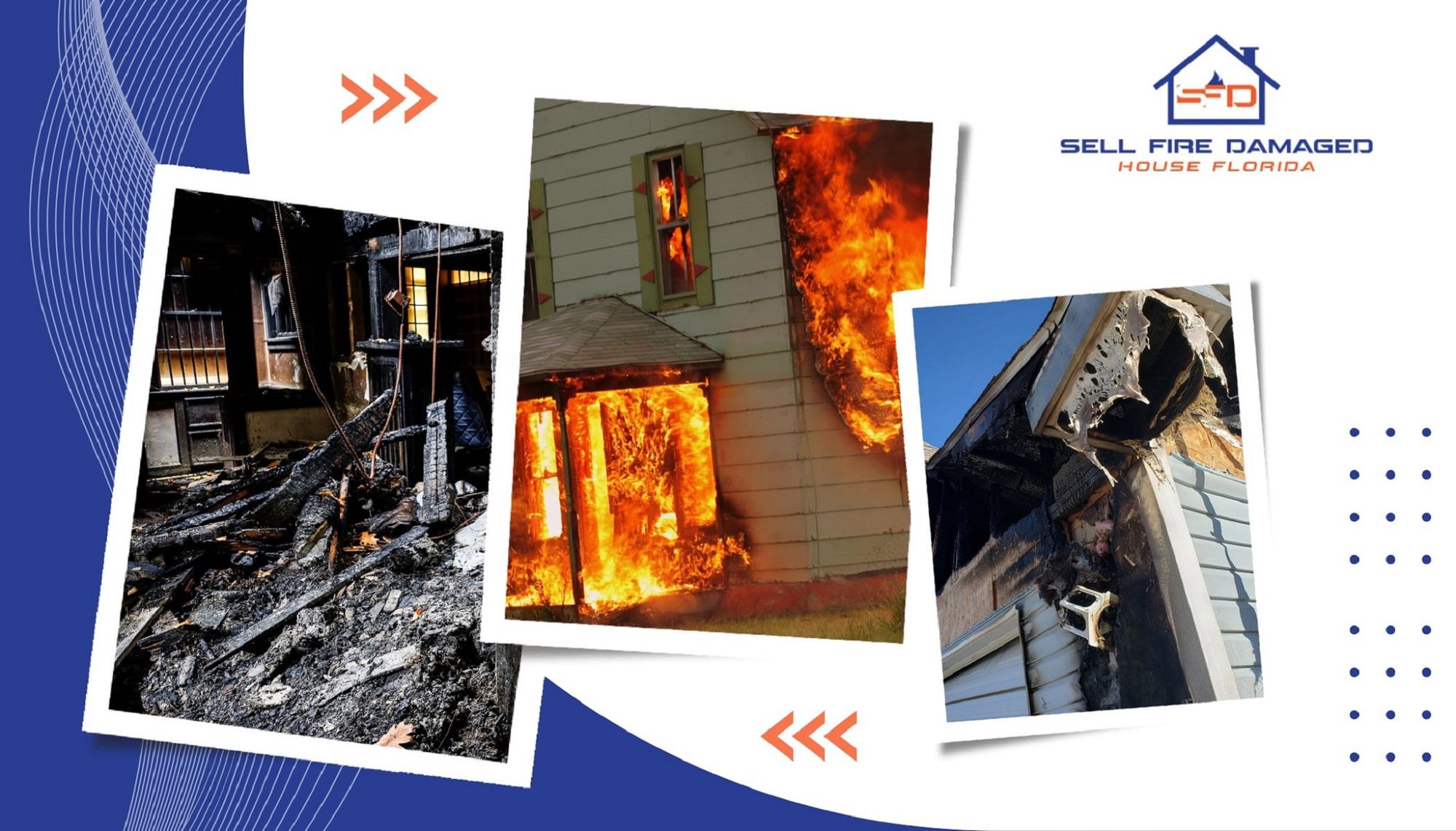
The Long-Term Impact of Fire Damage on a Florida Property
A house fire can affect a property long after the flames are gone. Even when the most obvious damage is contained to one part of the home, smoke, water, heat, structural stress, and delayed repairs can influence the property for months or even years. For homeowners trying to sell a fire damaged house in Florida, understanding these long-term effects is important because they can influence repair decisions, buyer confidence, property value, and the overall selling strategy.
Some homes can be restored successfully and returned to the traditional market. Others may require enough work that selling in as-is condition becomes a more practical option. The right path depends on the severity of the damage, how quickly the property is stabilized, the quality of any repairs, and how future buyers view the home’s history.
Fire Damage Can Extend Beyond the Burned Area
The most visible damage after a fire is usually easy to identify. Burned walls, damaged flooring, broken windows, and affected roofing immediately draw attention.
The less visible effects can be harder to assess.
Smoke may travel into rooms that were never directly exposed to flames. Soot can settle on surfaces and enter wall cavities, ventilation systems, and other areas. Water used during firefighting can also affect flooring, insulation, ceilings, cabinetry, and structural materials.
Depending on the severity of the incident, electrical systems, plumbing, roofing, framing, or HVAC components may also require further evaluation.
For homeowners considering selling a fire damaged house in Florida, the important point is that future buyers may evaluate the entire property rather than focusing only on the room where the fire started.
Delayed Repairs Can Create Additional Problems
Time can become an important factor after fire damage.
A damaged roof, broken window, compromised exterior wall, or other opening can leave the property exposed to weather. Moisture may enter areas that were not initially affected by the fire, while existing water damage may become more difficult to address if the property remains unattended.
Florida’s climate can make moisture management particularly relevant, especially when a damaged property is left vacant or partially open to the elements.
That does not mean every damaged home will develop additional problems. It does mean homeowners should avoid assuming the house will remain in exactly the same condition while they decide what to do.
Those researching options for selling a fire damaged house may want to compare the cost of continued ownership and repairs with the possibility of selling in the property’s current condition.
Smoke and Odor Can Affect Buyer Perception
Smoke-related damage can have a long-term effect even after burned materials are removed.
Odors may remain in porous materials such as drywall, insulation, flooring, upholstery, or wood. Soot residue may also require specialized cleaning depending on the extent of exposure.
For traditional buyers, lingering smoke odor can create concerns about whether the restoration was completed thoroughly.
Even when the property looks repaired, buyers may ask what areas were affected and what work was performed.
Documentation can therefore become valuable.
Records of inspections, cleanup, contractor work, and completed repairs can help explain what was done and give future buyers a clearer picture of the property’s condition.
Structural Concerns Can Influence Future Value
A significant fire can raise questions about structural components.
Depending on where the fire occurred and how intense it was, buyers may want information about framing, roofing, load-bearing areas, foundations, or other structural elements.
A professional evaluation can help determine whether these concerns exist.
If structural work is required, the quality of that repair can affect how buyers view the property later.
A well-documented restoration may help reduce uncertainty. Poorly documented or incomplete work can have the opposite effect.
For homeowners considering selling a fire damaged property as-is, structural uncertainty may also influence the type of buyer most likely to be interested.
Investors and renovation-focused buyers may be more comfortable evaluating these issues than traditional owner-occupants.
Fire History Can Change the Buyer Pool
A property that experienced a fire may attract a different group of buyers even after repairs.
Some traditional buyers may have concerns about the history of the home regardless of how much restoration has been completed.
Others may be comfortable with the property if they can review documentation showing what was damaged and how it was repaired.
Investors may evaluate the property differently again. They may focus more on the current condition, future potential, location, and rehabilitation costs.
This means fire history can influence not only value but also marketing strategy.
Homeowners reviewing Sell Fire Damaged House Florida or other selling options may find that the best buyer depends heavily on whether the property has been fully restored or is still in damaged condition.
Property Value May Be Affected in Different Ways
There is no universal formula for how much fire damage reduces property value.
The effect depends on several factors, including:
- Severity and location of the damage
- Quality of restoration work
- Condition of the property after repairs
- Local buyer demand
- Neighborhood and lot value
- Amount of remaining uncertainty
A lightly damaged house that has been properly restored may be viewed very differently from a property requiring major reconstruction.
The local Florida real estate market also matters.
A fire-damaged home in an area with strong demand may still attract significant interest, while a similar property in a slower market could be more difficult to sell.
Homeowners should therefore avoid relying on a single percentage or rule when estimating value.
Insurance and Repair Records Can Matter Later
Paperwork created after the fire can continue to be useful long after the immediate claim is handled.
Homeowners may want to keep records such as:
- Photos of the original damage
- Insurance correspondence
- Inspection reports
- Contractor invoices
- Repair documentation
- Records of completed restoration work
These materials can help explain the history of the property later.
A future buyer may want to understand what happened, which parts of the home were affected, and how the damage was addressed.
Clear records can make that conversation easier.
Someone considering www.sellfiredamagedhouseflorida.com for an as-is sale may also find that organized documentation helps buyers evaluate the property more confidently.
An Unrepaired Property Can Become More Expensive to Hold
One long-term impact homeowners sometimes overlook is the cost of continuing to own a damaged property.
Even if the home is vacant, financial responsibilities may continue.
Depending on the situation, the owner may still face mortgage payments, property taxes, utilities, maintenance, insurance considerations, and security expenses.
A damaged property may also require ongoing attention to prevent further deterioration or unauthorized access.
These costs can become significant if the homeowner spends months deciding whether to repair or sell.
For someone who does not want to oversee a lengthy restoration, selling without completing major repairs can be worth comparing with the cost of continuing to hold the property.
Repairs Can Improve Marketability, but Quality Matters
Restoring a fire-damaged house can potentially bring the property back into the traditional market.
A completed repair project may appeal to buyers who would never consider the property in damaged condition.
However, the quality of the restoration matters.
Cosmetic improvements alone may not satisfy buyers who are concerned about structural, electrical, moisture, or smoke-related issues.
A property that looks finished but lacks clear documentation may still create questions.
For homeowners planning to repair before selling, the objective should be more than improving appearance. The restoration should address relevant underlying issues and provide enough documentation for future buyers to understand what was completed.
Selling As-Is Can Shift Long-Term Repair Responsibility
Some homeowners decide that dealing with the long-term effects of fire damage is more responsibility than they want to take on.
Instead of restoring the property, they sell to a buyer willing to handle the rehabilitation.
This shifts much of the future repair work to the buyer after the transaction.
A direct as-is sale may be particularly appealing when the damage is extensive, the house is vacant, or the homeowner does not want to manage multiple contractors.
Resources such as sellfiredamagedhouseflorida.com can be considered alongside traditional listings and repair-first strategies.
The tradeoff is that an as-is offer will generally reflect the property’s current condition and the work the buyer expects to complete.
Thinking Beyond the Immediate Damage
The long-term impact of fire damage on a Florida property depends on much more than what the house looks like immediately after the event.
Smoke, water, structural concerns, delayed repairs, buyer perception, documentation, and ongoing ownership costs can all affect what happens later.
Some homeowners may decide that restoring the property offers the best opportunity. Others may determine that transferring the repair responsibility to a buyer is more practical.
Those considering an as-is option can review SellFireDamagedHouseFlorida.com while comparing it with restoration and traditional-market alternatives.
The most useful approach is to evaluate the property as it exists today while also considering what continued ownership may require. Understanding the possible long-term effects early can help homeowners make a decision based on the real condition and future demands of the property rather than only the visible damage left by the fire.
Find out more about Fire Damaged House Florida on our website!
Contact Information:
Brand: Sell Fire Damaged House Florida
Address: 500 Brickell Avenue, Miami, FL 33131
Phone: +1 239-323-9431
Website: https://www.sellfiredamagedhouseflorida.com/
More Links:
https://www.pinterest.com/sellfiredamagedhousefloridaus/
https://www.reddit.com/user/sellfiredamagedhome/
https://www.twitch.tv/sellfirehouse/about
https://gravatar.com/sellfiredamagedhousefloridaus
https://vimeo.com/sellfiredamagedhomefl
https://mastodon.social/@sellfiredamagedhousefl
https://www.mixcloud.com/sellfiredamagedhousefl/